EU’s New Sanctions Target HTX and Other Crypto Platforms
The European Union has officially added HTX to its sanctions list, effective from August 23, 2026. This move is part of a broader strategy to limit the operational capacity of Russian-affiliated crypto platforms amidst ongoing geopolitical tensions. Alongside HTX, several other exchanges have also been included in the sanctions, including EXMO, Rapira, BitPapa, Aifory Pro, WhiteBird, NoOnecrypto, and Exnode.
The implications of these sanctions are substantial for the global crypto market, particularly for investors and traders who utilize these platforms. With HTX now barred from conducting transactions within the EU, the exchange will face significant operational challenges, potentially leading to decreased liquidity and trading volumes. As these platforms are often used for various trading activities such as spot and futures trading, this development could influence market sentiment and trading strategies across the board.
Impact on Crypto Market Liquidity and Trading Strategies
The sanctions on HTX and others could tighten liquidity in specific trading pairs, especially those involving Russian assets. Traders might look to alternative exchanges, but the transition could result in temporary disruptions. It’s crucial to note the interconnectedness of crypto exchanges; a significant drop in one platform’s activity can ripple across the market, affecting prices and trading volumes elsewhere.
Market participants should also be vigilant regarding ongoing regulatory changes. The EU’s decision might prompt similar actions from other jurisdictions, potentially creating a domino effect that could further impact trading strategies. Investors are advised to closely monitor developments related to regulatory environments in key markets like the U.S. and Asia, which could influence their trading decisions going forward.
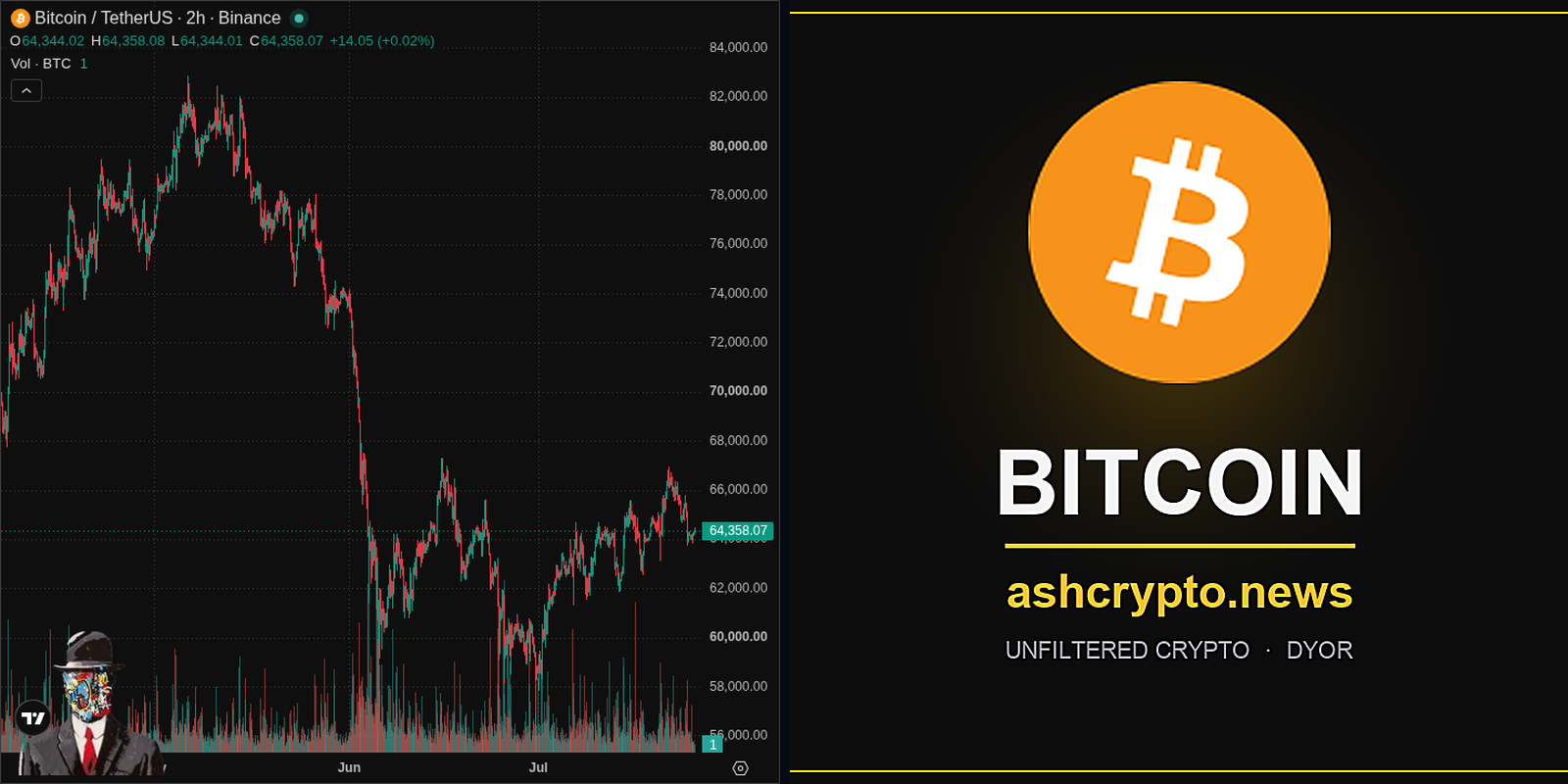
In terms of price action, the reaction of major cryptocurrencies like Bitcoin (BTC) and Ethereum (ETH) in the wake of this news will be critical to observe. Any significant fluctuations in their prices could signal broader market reactions to geopolitical developments and regulatory actions.
Future Considerations for Affected Platforms
For platforms facing sanctions, the immediate concern will be compliance and operational adjustments to adhere to new regulations. It remains to be seen how HTX will respond to the EU’s sanctions, especially regarding its user base and liquidity sources. Adapting to a new operational landscape may require significant strategic shifts, including partnerships with compliant exchanges or a pivot to decentralized finance solutions.
Furthermore, the long-term viability of these affected exchanges will also depend on their ability to regain user trust and attract new customers. Market sentiment can be fickle; therefore, transparent communication from these platforms about their compliance efforts and operational strategies will be pivotal in retaining user confidence.
Looking ahead, stakeholders should watch for regulatory announcements and any shifts in trading volumes across the affected exchanges. The market’s response to these sanctions and how individual platforms adapt will likely play a significant role in shaping trading dynamics in the near future. Key dates to monitor include the activation of sanctions on August 23 and subsequent market reactions from major cryptocurrencies.